Description
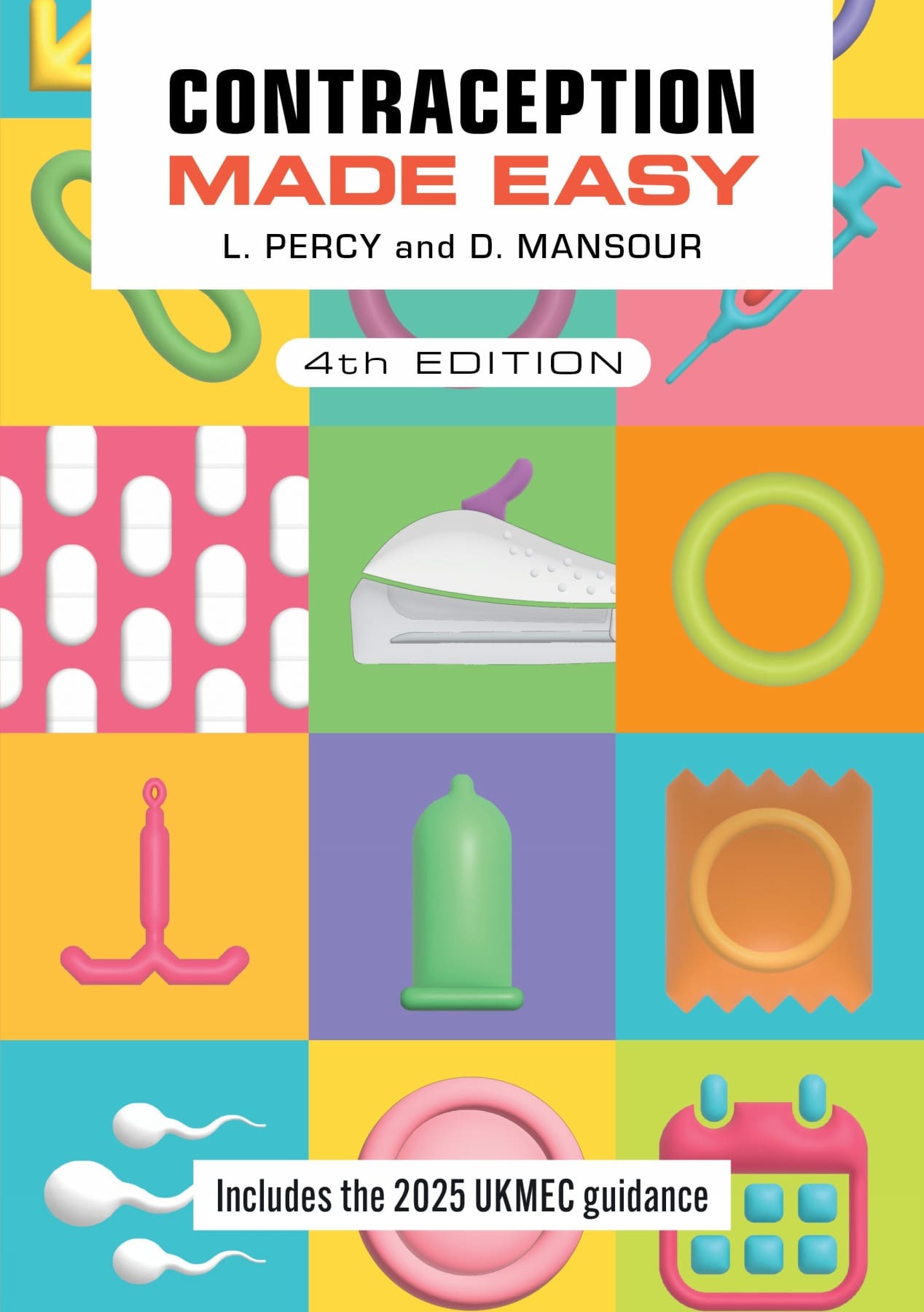
Now comprehensively updated, this concise handbook continues to provide GPs, junior doctors in sexual and reproductive health, specialist and practice nurses, pharmacists, nurse practitioners, trainee gynaecologists and medical students, with all the latest practical guidance on the commonly used contraceptive methods:
• combined oral contraceptives (COCs), patches and vaginal rings
• progestogen-only pills (POPs), progestogen-only injectables and implants
• copper intrauterine devices (Cu-IUDs) and the levonorgestrel IUDs (LNG-IUDs)
• diaphragms, cervical caps, and male and female condoms
• natural fertility awareness
• emergency contraception
• male and female sterilization
This latest edition includes the updated 2025 UKMEC guidance, recent CoSRH statements, along with new material on:
• contraception for women taking GLP-1 and GIP receptor agonists and for transgender and non-binary people
• women living with HIV, including the use of PrEP and PEP
• STI testing
• the position on abortion in Northern Ireland and changes to the abortion law in England and Wales
1 Introduction
1.1 Introduction
1.2 Unplanned pregnancy
1.3 Provision of contraceptive services
1.4 UK Medical Eligibility Criteria for contraception
References
2 The contraception consultation
2.1 Introduction
2.2 Initiating the session
2.3 Gathering information
2.4 Explanation and planning
2.5 Closing the session
2.6 Summary
References
3. Special groups
3.1 Young people
3.2 Women over 40 years of age
3.3 Women living with HIV
3.4 Women with inflammatory bowel disease (IBD)
3.5 Women with cardiovascular disease
3.6 Weight concerns – obesity, weight reduction medication/surgery, weight gain and contraception
3.7 Women with eating disorders
3.8 Drug interactions
3.9 Teratogenic drugs or drugs with potential teratogenic effects
3.10 Transgender and non-binary individuals
3.11 Women with learning disabilities
3.12 Women with physical disabilities
3.13 Women with sensory disabilities
3.14 Women who do not speak English
References
4 Combined hormonal contraception
4.1 Potential users
4.2 Available CHC in the UK
4.3 Mechanism of action
4.4 Efficacy of CHC
4.5 Pros and cons of CHC
4.6 Using the CHC
4.7 Routine follow-up
4.8 Return to fertility
4.9 Managing side-effects
4.10 Myths and misconceptions
References
5 Progestogen-only pill
5.1 Potential users
5.2 Available POPs in the UK
5.3 Mechanism of action
5.4 Efficacy of POPs
5.5 Pros and cons of POPs
5.6 Using the POP
5.7 Routine follow-up
5.8 Return to fertility
5.9 Managing side-effects
5.10 Myths and misconceptions
References
6 Injectable contraception
6.1 Potential users
6.2 Available injectables in the UK
6.3 Mechanism of action
6.4 Efficacy of injectables
6.5 Pros and cons of injectables
6.6 Using injectables
6.7 Routine follow-up
6.8 Return to fertility
6.9 Managing side-effects
6.10 Myths and misconceptions
References
7 Contraceptive implant
7.1 Potential users
7.2 Available implants in the UK
7.3 Mechanism of action
7.4 Efficacy of implants
7.5 Pros and cons of contraceptive implants
7.6 Practical aspects
7.7 Routine follow-up
7.8 Return to fertility
7.9 Managing troublesome side-effects
7.10 Myths and misconceptions
References
8 Levonorgestrel intrauterine devices
8.1 Potential users
8.2 Available levonorgestrel intrauterine devices in the UK
8.3 Mechanism of action
8.4 Efficacy
8.5 Pros and cons of LNG-IUD
8.6 Counselling
8.7 LNG-IUD starting regimen
8.8 LNG-IUD insertion
8.9 Post LNG-IUD insertion advice
8.10 Routine follow-up
8.11 Return to fertility and device removal
8.12 Managing side-effects and complications
8.13 Myths and misconceptions
References
9 Copper intrauterine devices
9.1 Potential users
9.2 Available Cu-IUDs in the UK
9.3 Mechanism of action
9.4 Efficacy
9.5 Pros and cons of Cu-IUDs
9.6 Counselling
9.7 Cu-IUD starting regimen
9.8 Cu-IUD insertion
9.9 Post Cu-IUD insertion advice
9.10 Routine follow-up
9.11 Return to fertility and device removal
9.12 Managing side-effects and complications
9.13 Myths and misconceptions
References
10 Barrier methods
10.1 Potential users
10.2 Available barrier methods
10.3 Efficacy
10.4 Mechanism of action
10.5 Pros and cons of barrier methods
10.6 Practical aspects
10.7 Myths and misconceptions
References
11 Fertility awareness
11.1 Potential users
11.2 Available fertility awareness methods
11.3 Mechanism of action
11.4 Efficacy
11.5 Pros and cons of fertility awareness
11.6 Using the different methods
11.7 Withdrawal method
11.8 Myths and misconceptions
References
12 Male and female sterilization
12.1 Potential users
12.2 Available methods of sterilization
12.3 Mechanism of action
12.4 Pros and cons of sterilization
12.5 Counselling and consent
12.6 Regret
12.7 Practical aspects
12.8 Myths and misconceptions
References
13 Emergency contraception
13.1 Potential users
13.2 Available emergency contraception in the UK
13.3 Mechanism of action
13.4 Efficacy of emergency contraception
13.5 Provision of emergency contraception
13.6 Provision of ongoing contraception
13.7 Aftercare
13.8 Managing side-effects
13.9 Myths and misconceptions
References
14 STIs, safe sex and sexual assault
14.1 Potential users
14.2 Sexual history taking
14.3 Partner notification
14.4 Sexual health advice
14.5 Sexual assault
References
15 Unplanned pregnancy
15.1 Introduction
15.2 Adoption
15.3 Abortion
15.4 Complications
15.5 Post-abortion contraception
15.6 Aftercare
15.7 Legal situation in Ireland
15.8 Myths and misconceptions
References
Appendix – Summary of the UKMEC for contraceptive use
Index
No resources currently available for this title.